How to make seasonal cut flowers last longer
Small habits that make a real difference once the bouquet is home
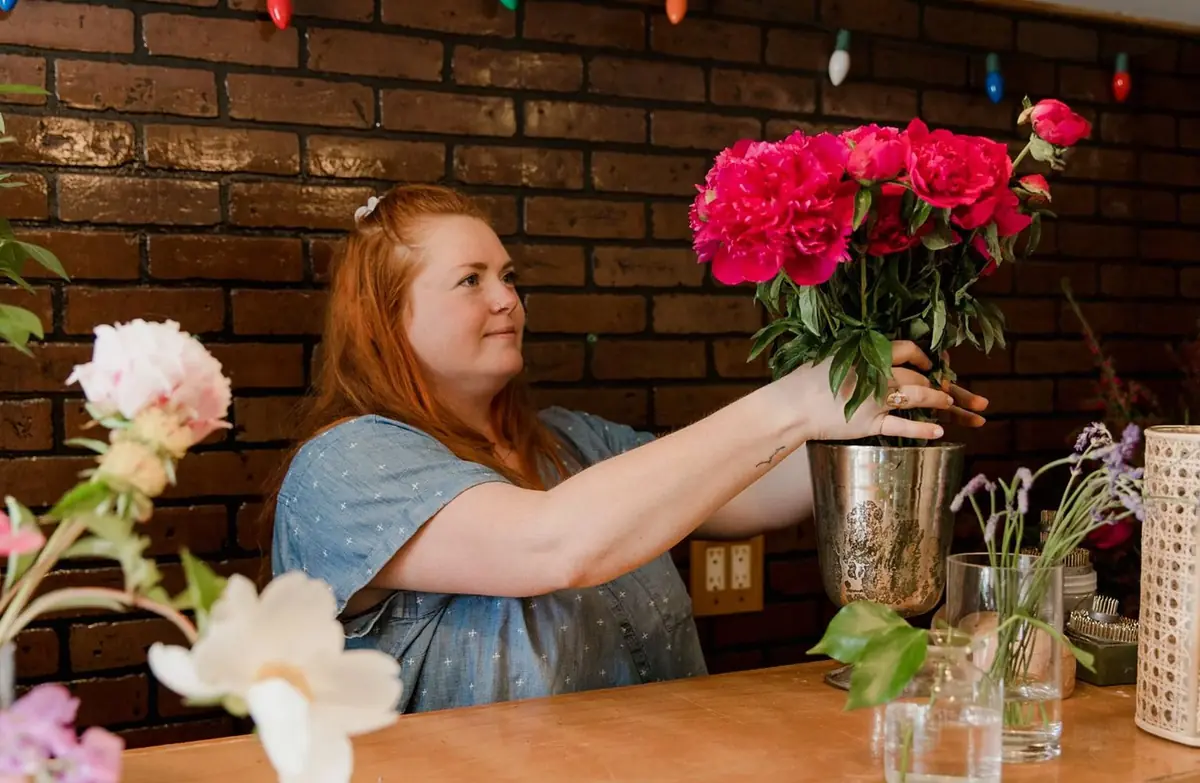
Most flowers that die early do not die because they were poor quality. They die because of what happens in the first hour after they get home. A few small habits, done consistently, can add three or four days to almost any seasonal bouquet.
The first cut matters most
When you get a fresh bouquet home, the stems have usually been out of water for at least twenty minutes, sometimes longer. The cut ends seal over quickly in air, which means the flower cannot draw water even when you put it in a vase. The fix is simple: cut about two centimetres off each stem at an angle, using a sharp knife or scissors, and put the stems straight into water immediately. Do this under running water if you can.
The angle matters because it increases the surface area of the cut and stops the stem from sitting flat against the bottom of the vase, which would block the uptake. A straight cut works too, but the angled cut is more forgiving if the vase is narrow.
Water temperature and how often to change it
Room-temperature water is better than cold water for most seasonal flowers. Cold water slows the uptake, which sounds counterintuitive but is consistently true for warm-season flowers like dahlias and cosmos. The exception is bulb flowers. Tulips and ranunculus prefer cooler water.
Change the water every two days, not every day. Every time you change the water, rinse the vase and re-cut the stems. This is the single most effective thing you can do to extend the life of a bouquet, and it takes about three minutes.
- Change water every two days
- Re-cut stems each time you change the water
- Rinse the vase before refilling
- Keep the vase away from direct sunlight and heat sources
Where you put the vase
Flowers age faster near heat. A vase on a sunny windowsill, near a radiator, or next to a television will lose two or three days compared to the same flowers in a cooler spot. A north-facing shelf or a spot away from windows is ideal. In autumn and winter in Japan, the indoor temperature is usually comfortable enough that this is not a major issue, but in summer it makes a significant difference.
We include a short care card with fresh bouquets that covers these basics, but the most important thing is just to check the water every couple of days. Flowers are more forgiving than most people expect.