Why locally grown flowers look different from imported ones
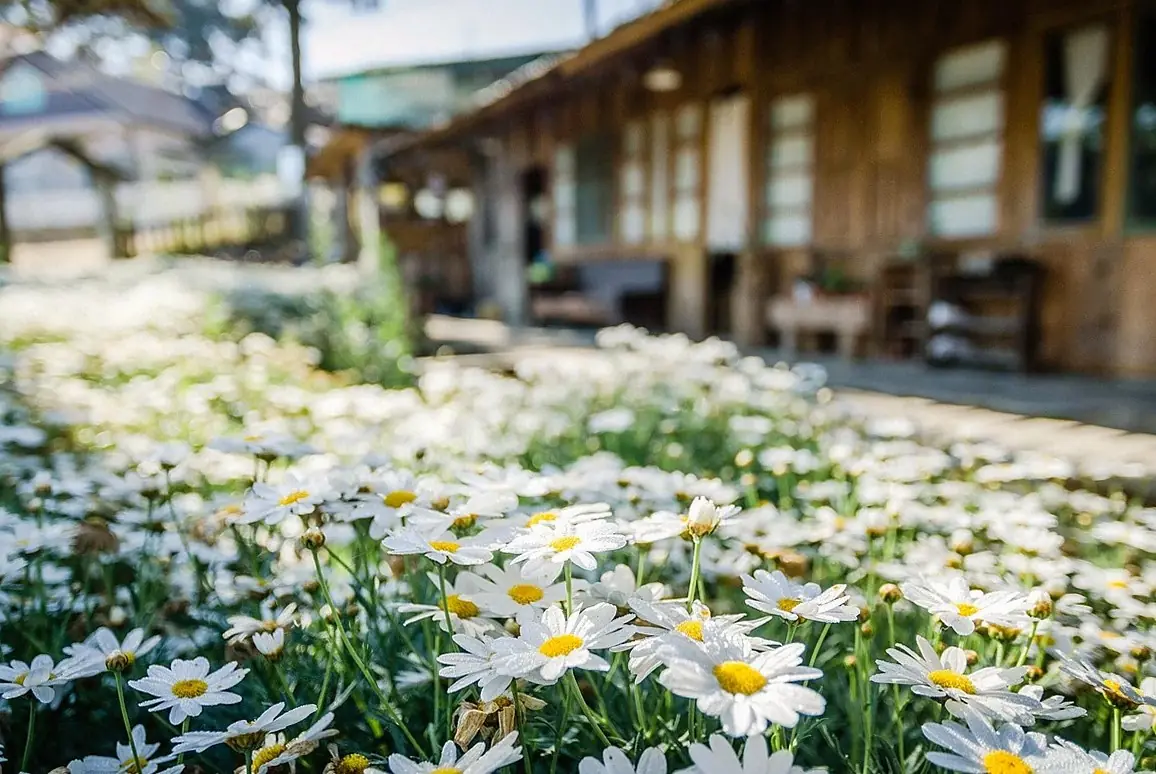
If you have ever bought flowers from a supermarket and flowers from a small florist in the same week, you have probably noticed that they look different in a way that is hard to name. The difference is almost always about where the flowers were grown and how long they have been travelling.
What happens to a flower in transit
Most flowers sold in Japanese supermarkets and large florists are grown in South America, the Netherlands, or Kenya and flown in. The journey takes between two and five days from cut to shop floor. During that time the flowers are kept in cold storage, which slows their development but does not stop it. By the time they reach a shop, they have already used a significant portion of their vase life.
A flower grown within Hyogo prefecture and cut the same morning it is sold has not been through any of that. It is at a different stage of its life. Usually more open, more fragrant, and with a shorter but more vivid remaining life. The petals are softer. The stems are heavier with water. The colours are less uniform, which is why they photograph less cleanly but look more alive in a room.
The seasonal constraint is a feature
Imported flowers make it possible to sell roses in January and peonies in November. This is convenient, but it means the flowers are always slightly out of place. Grown in a different climate, at a different time of year, for a different season's light.
Locally grown flowers are only available when they are actually growing. Dahlias in Hyogo are a late-summer and autumn flower. Cosmos peaks in September and October. Japanese anemone comes in from August through November. Working within these constraints produces arrangements that feel connected to the actual season outside the window, which is a different quality from convenience.
A note on fragrance
One of the most noticeable differences is the smell. Imported flowers are often selected for visual uniformity and shelf life, which are traits that have been bred at the expense of fragrance over several decades. Field-grown flowers tend to retain more of their natural scent. This is not a rule. Some varieties are simply not fragrant regardless of how they are grown. But it is a pattern that holds often enough to be worth mentioning.
We buy stems from growers within Hyogo prefecture when they are in season. The current collection shows what is available right now, at this point in the season.